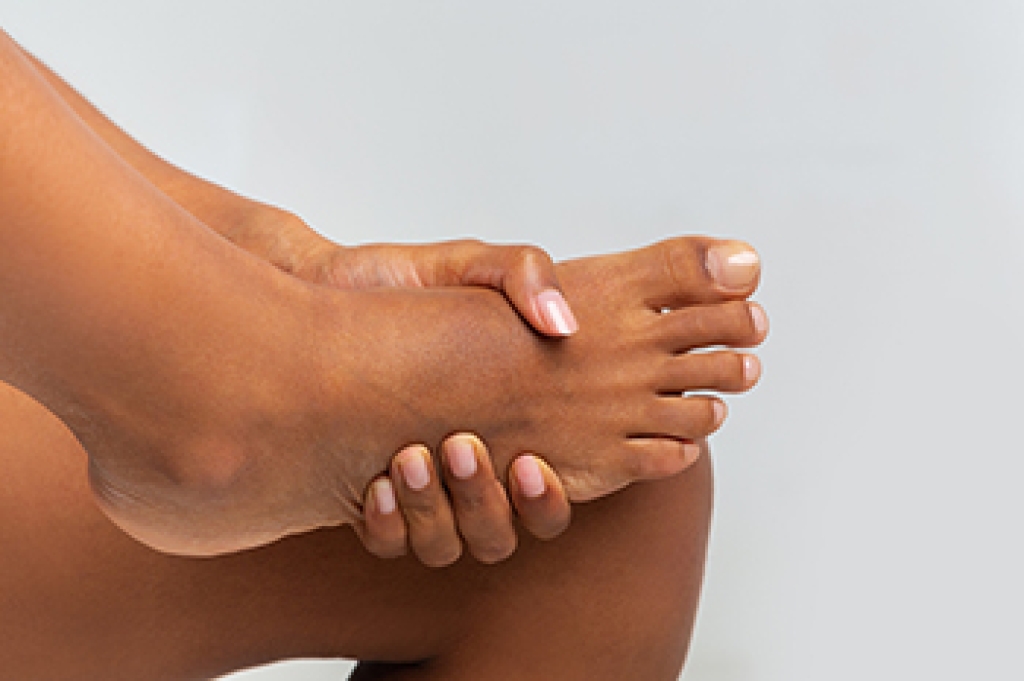
Hypermobility occurs when joints move beyond their typical range because the supporting ligaments and connective tissues allow extra movement. In the feet, hypermobility affects stability, balance, and the way a person walks. Some people naturally have flexible joints without discomfort. Others experience symptoms associated with joint hypermobility syndrome or hypermobility spectrum disorders. Causes include inherited connective tissue characteristics and differences in collagen, a protein that supports ligaments and other tissues. Risk factors include family history and naturally flexible joints. Although flexibility can be beneficial, excessive movement may make the feet less stable during everyday activities.
Foot hypermobility can affect the joints responsible for supporting body weight and controlling movement. Two important foot movements are pronation and supination. Pronation occurs when the foot rolls inward as it contacts the ground, helping absorb impact. Supination occurs when the foot rolls outward, contributing to stability and propulsion. Symptoms include foot fatigue, aching arches, and pain after standing or walking. Some people also develop flat feet because flexible arches lower under body weight.
Hypermobility syndrome can influence walking patterns by changing how the feet absorb impact and support each step. Some individuals develop altered stepping patterns to compensate for discomfort or instability. These changes include shorter steps, uneven weight distribution, and reduced walking speed. Symptoms vary according to the degree of joint flexibility and the person's overall strength. A professional assessment by a chiropodist can help identify movement problems and determine whether treatment is needed to improve walking comfort.
Managing foot hypermobility often involves wearing supportive footwear, activity adjustments, and exercises recommended to improve strength and stability. A chiropodist assesses foot mechanics, evaluates pronation and supination, and recommends appropriate orthotics, when necessary. If you experience foot pain, frequent ankle sprains, or other symptoms of foot hypermobility, it is suggested that you consult a chiropodist to explore effective relief and management solutions.
Foot pain can have many causes. To receive an accurate diagnosis and treatment for your foot pain, please consult with one of the chiropodists from The Footcare Centre. Our chiropodists will assess your condition and provide you with quality foot and ankle treatment.
Causes
There are a variety of different conditions that can cause foot pain, including:
- Plantar fasciitis
- Deformities, such as bunions or hammertoes
- Injuries to the muscles, bones, tendons, or ligaments in the feet
- Arthritis
- Flat feet
- Ingrown toenails
Symptoms
The type and location of your foot pain can help determine what may be causing it and what type of treatment options are best for you.
Common types of foot pain include:
- Heel pain
- Arch pain
- Toe pain
- Ball of foot pain
- Pain that has a stabbing, burning, or tingling quality
- Pain that is constant, intermittent, or that gets better or worse depending on the situation
Diagnosis
A thorough medical history and physical examination of your feet will be required to determine a diagnosis. Imaging studies, such as X-rays or MRIs may be performed to rule out or confirm certain diagnoses.
Treatment
Treatment will depend on the cause of the pain. Common treatments for foot pain include resting, icing, compressing, and elevating the affected foot, wearing orthotics, or taking anti-inflammatory medications.
If you have any questions please feel free to contact our office located in Niagara Falls, ON .
