Symptoms and Risk Factors for Plantar Fasciitis

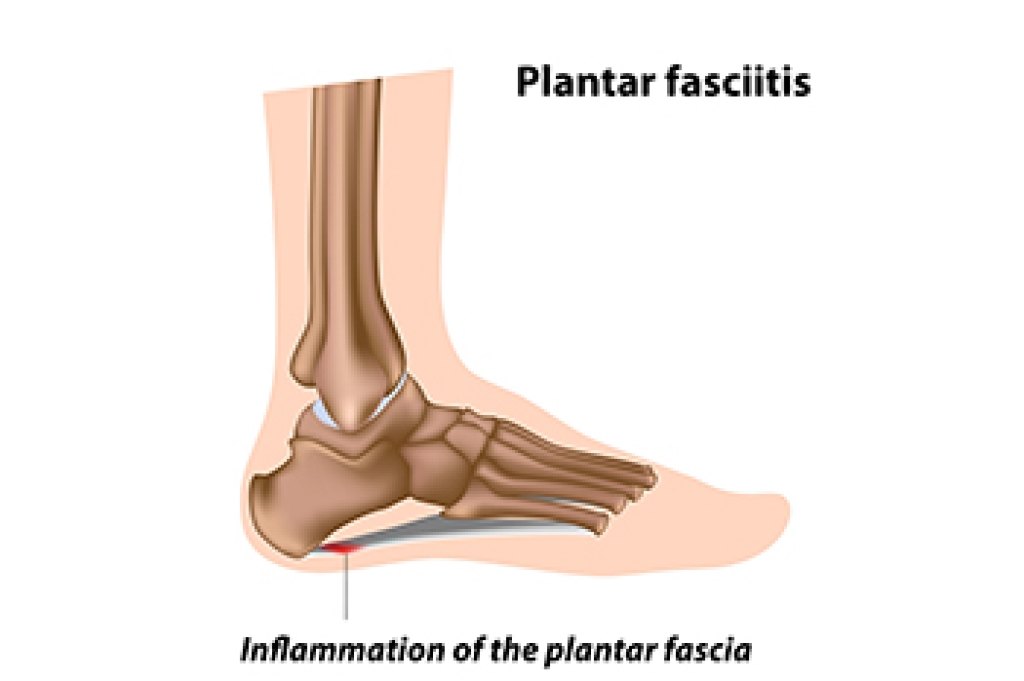
Many people suffer from the pain of plantar fasciitis, an inflammation of the tough band of tissue that runs beneath the foot. This tissue, called the plantar fascia, connects the heel to the base of the toes and helps support the arch. Plantar fasciitis, considered to be an overuse injury, can result from long bouts of standing or walking. It is also common among runners and other athletes who land on hard surfaces with their full weight for long periods. The first sign of plantar fasciitis usually occurs when standing up after a long rest, resulting in pain in the heel. Risk factors for developing plantar fasciitis include having flat feet or high arches, wearing shoes that do not provide ample cushioning in the heel and support for the arch, being overweight, and having tight calf muscles. Recovery from plantar fasciitis can take months, so it should not be ignored. If you are experiencing heel pain and think it might be caused by plantar fasciitis, it is suggested that you consult a chiropodist for a diagnosis and treatment.

Plantar fasciitis can be painful and interfere with your daily activities. If you are experiencing foot or heel pain and believe you may be afflicted with plantar fasciitis, please consult with one of the chiropodists from The Footcare Centre. Our chiropodists will assess your condition and provide you with quality foot and ankle treatment. 

What Is Plantar Fasciitis?

Plantar fasciitis refers to the inflammation of the plantar fascia, a ligament that runs along the bottom of the foot and connects the heel bone to the toes. Repetitive activities, such as running or jumping, can injure the plantar fascia over time. Plantar fasciitis can also be caused by flat feet, high arches, pregnancy, and activities that put excessive pressure on your feet, like standing all day for work. When the plantar fascia becomes inflamed, it causes pain and discomfort. 

Symptoms

Typical symptoms of plantar fasciitis include:

  • Stabbing pain near the heel
  • Pain that is worst in the morning or after a period of rest
  • Pain that increases after exercising
  • Swelling
  • Tightness in the Achilles tendon

Diagnosis

Plantar fasciitis is typically diagnosed via medical history and physical examination. 

Treatment

Treatments for plantar fasciitis include resting and icing the affected foot, stretching the foot, taking medications to reduce inflammation, and wearing orthotics. In severe cases where pain does not improve with conservative treatments, injections or surgery may be recommended. 

If you have any questions please feel free to contact our office located in Niagara Falls, ON

Read more about Plantar Fasciitis

Gout Pain Can Be Managed

Gout is a painful, inflammatory form of arthritis. Those affected will typically feel an intense stiffness in the joints of their feet, particularly in the big toe. Schedule a visit to learn about how gout can be managed and treated.

Common Causes of Toenail Fungus

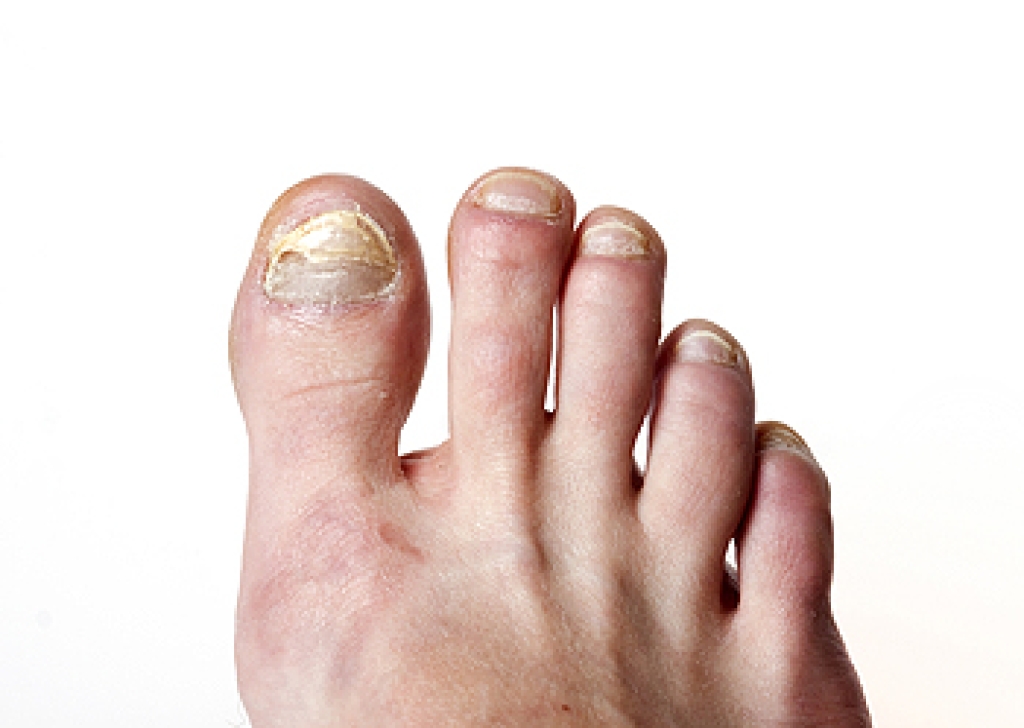
Another word for toenail fungus is onychomycosis. It is a common fungus that causes the toenail to thicken, crumble, and become stained. Toenail fungus is more common among older adults, especially those older than 65. It is highly contagious and can easily spread just by touching the nail. It can also be transmitted by touching a surface that has been contaminated by the fungus through spores that are shed from the infected nail. Toenail fungus can be caused by too many dermatophytes or too much yeast in the nail. Fungal spores rapidly multiply and thrive in moist, warm conditions like sweaty feet, damp socks, and wet shoes. Any sore or opening in the skin can invite the fungus in, where it feeds off the nail and burrows underneath it. Eventually, the nail will rise above the nail bed. The nail can never reattach, but can eventually grow out if treated. If left untreated, a toenail infection can spread to other toenails or body parts. For help in eliminating toenail fungus, please contact a chiropodist. 

Toenail fungus can be uncomfortable and unsightly. If you have diabetes or a compromised immune system, it may also be dangerous. To learn more about treatment options, please consult with one of the chiropodists from The Footcare Centre. Our chiropodists will assess your condition and provide you with quality foot and ankle treatment. 

What Does Toenail Fungus Look Like? 

A fungal infection of the toenail may cause the affected nail to become thickened, brittle, crumbly, and yellowish or brown in color. Sometimes the toenail may separate from the nail bed, become deformed, emit a foul odor, or cause pain or discomfort. 

What Causes Toenail Fungus? 

Toenail fungus is caused by a fungus that infects the nail bed. The fungus lives and thrives in warm and moist environments and is also contagious. Athlete’s foot, which is a fungal infection of the skin, may spread to the nails and cause toenail fungus. 

What Treatments Are Available? 

Potential treatments for toenail fungus may include oral antifungal medications, topical antifungal medications, such as medicated nail polishes that are applied directly to the affected nail, and laser therapy. Sometimes, a combination of treatments is prescribed. 

If you have any questions please feel free to contact our office located in Niagara Falls, ON

Read more about Treating Toenail Fungus

Resolution of Foot Pain

Foot pain can ruin an otherwise normally good day. When it hurts to walk, one can feel helpless and overwhelmed. The good news is that the source of pain is likely to be manageable and short-lived with the right treatment. Foot pain can emanate from a variety of sources, from injuries to bones and ligaments to ingrown toenails. Frequent culprits of foot pain include big toe pain from arthritis or bunions, heel pain from plantar fasciitis, or pain on the ball of the foot from a Morton’s Neuroma or metatarsalgia. Regardless of its source, if home remedies and rest do not resolve foot pain, seeing a chiropodist, who is an expert in feet and ankles, can help you get to the root of the problem and restore you to normal functioning in the shortest time possible.

Foot pain is a common problem treated by chiropodists. If you have foot pain, please consult with one of the chiropodists from The Footcare Centre. Our chiropodists can help you maintain the health of your lower limbs and your mobility. 

When you are experiencing foot pain, it’s important to note the type of pain and its location, as this can help determine a diagnosis. 

Pain in the top of the foot may be caused by:

  • Stress fractures
  • Sinus tarsi syndrome
  • Extensor tendonitis
  • Tibialis anterior tendonitis
  • Gout
  • Athlete’s foot
  • Ganglion cysts

Pain in the bottom of the foot may be caused by:

  • Plantar fasciitis
  • Foot cramps
  • Tarsal tunnel syndrome
  • Plantar fibromatosis
  • Posterior tibial tendonitis
  • Stress fractures
  • Flat feet

Pain on the side of the foot may be caused by:

  • Ankle sprain
  • Cuboid syndrome
  • Peroneal tendonitis
  • Stress fractures
  • Bunions
  • Corns or calluses
  • Posterior tibial tendonitis

Heel pain may be caused by:

  • Plantar fasciitis
  • Achilles tendonitis
  • Bone spurs
  • Heel fractures
  • Retrocalcaneal bursitis
  • Sever’s disease 

Pain in the toes may be caused by:

  • Gout
  • Hammertoe
  • Turf toe
  • Bunions
  • Ingrown toenails
  • Blisters
  • Arthritis

These and many more conditions can be treated by a chiropodist. If you have any questions please feel free to contact our office located in Niagara Falls, ON

Read more about Foot Pain

Podiatric Foot Care Is Essential for Diabetic Patients

Diabetes is a very serious health condition. Patients who have this condition understand the importance of inspecting their feet on a daily basis, and this is crucial for noticing existing cuts, bruises, and scrapes that have occurred. Poor blood circulation is a common ailment among people who have this condition, and this can lead to neuropathy. This condition tends to produce a numbing feeling, and some patients may have a pins and needle sensation. Diabetes generally develops as a result of elevated glucose levels in the blood, and it is crucial to monitor sugar levels every day for optimum results. Practicing good foot care everyday is essential for diabetic patients. This starts with washing and drying the feet, followed by moisturizing dry skin. It is advised to buy shoes that fit correctly, in addition to refraining from walking barefoot, or wearing shoes that are open-toed.  Many diabetic patients have their toenails trimmed by a chiropodist who can ensure they are cut correctly. It is strongly suggested that a chiropodist be contacted and seen regularly if you suffer from diabetes to help you to properly manage this condition.

Diabetes can cause serious problems in the lower limbs if proper preventive measures are not taken and diabetic wound care is not performed. If you would like to learn more about caring for diabetic feet, please consult with one of the chiropodists from The Footcare Centre. Our chiropodists can help you maintain the health of your lower limbs and your mobility. 

Diabetes can lead to a host of foot and ankle complications, including: 

  • Poor circulation
  • Peripheral neuropathy
  • Diabetic foot wounds and ulcers
  • Infection
  • Corns and calluses
  • Dry, cracked skin
  • Nail disorders
  • Hammertoes
  • Bunions
  • Charcot foot

If you have diabetes, you must be vigilant of any changes in your foot health. This is best done through daily foot inspections. Using a mirror to help you if necessary, look for any: 

  • Cuts, scrapes, sores, or wounds
  • Bruising or discoloration
  • Swelling
  • Rash
  • Foul odor
  • Nail changes
  • Hair loss
  • Warmth and inflammation
  • Deformities
  • Lower limb pain
  • Strange sensations (numbness, tingling, burning, pins, and needles)

If you have any questions please feel free to contact our office located in Niagara Falls, ON

Read more about Diabetic Foot Care

How Obesity Affects Your Feet

Extra body weight can put unsafe pressure on your feet and ankles, which puts you at risk for a number of ailments that can be prevented, or at least, less likely. Further, obesity, defined as a Body Mass Index of 30 or more, can also cause problems with the legs, hips, and back. Extra weight can alter your gait, posture, and how you move. It increases the risk of breaking an ankle and improves the likelihood of a serious knee injury. Obesity is often associated with diabetes and heart problems. These, in turn, can affect the feet through neuropathy and peripheral artery disease. A few tips for improving the health of your feet are recommended by medical experts. Check your feet daily for cuts, sores and bruising, watching out for those that are healing too slowly. Wear padded socks, and avoid walking barefoot. Wear shoes with non-slip soles at home, and consider custom orthotics to correct gait and posture concerns.  Change dietary habits to eat healthier foods. Add some form of exercise to your weekly schedule, but connect with a professional before undertaking any strenuous program. For further information about obesity and the health of your feet, please consult a chiropodist.    

Being obese affects every part of your body, and your feet are no exception. Because they bear the full weight of your body as you go about your daily life, your feet are under a lot of pressure. Carrying excess weight can strain the feet and cause a variety of unpleasant side effects. If you are obese and concerned about your foot health, please consult with one of the chiropodists from The Footcare Centre. Our chiropodists can help you maintain the health of your lower limbs and your mobility. 

Obesity can:

  • Cause foot pain
  • Increase the risk of foot and ankle injuries
  • Reduce mobility
  • Make the feet wider
  • Flatten the arch
  • Make gout more likely
  • Make arthritis more likely
  • Increase the risk of diabetes

Your chiropodist may suggest lifestyle changes to address foot and ankle problems that are caused by or affected by obesity. These may include changes to your diet, exercise, and footwear, as well as wearing orthotics. The treatments for specific injuries or health problems will vary depending on what they are, but weight loss is often suggested to decrease strain on the feet. If you have any questions please feel free to contact our office located in Niagara Falls, ON

Read more about Obesity and the Feet

Connect With Us