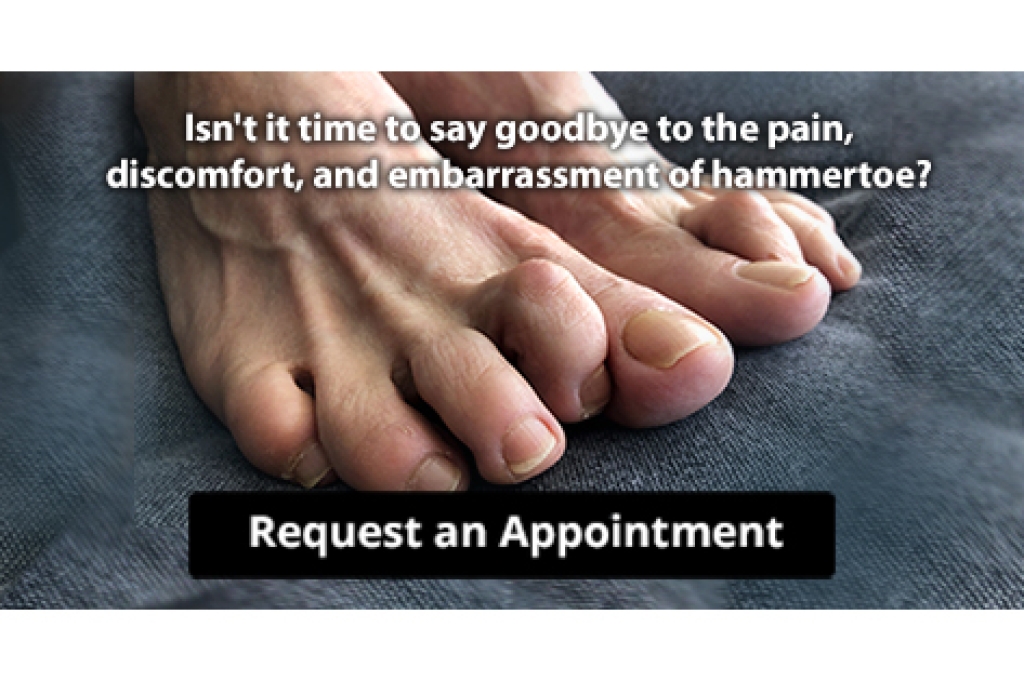
Painful deformities, such as hammertoes, can be treated. Stop living with foot pain, and have beautiful feet again!
Painful deformities, such as hammertoes, can be treated. Stop living with foot pain, and have beautiful feet again!
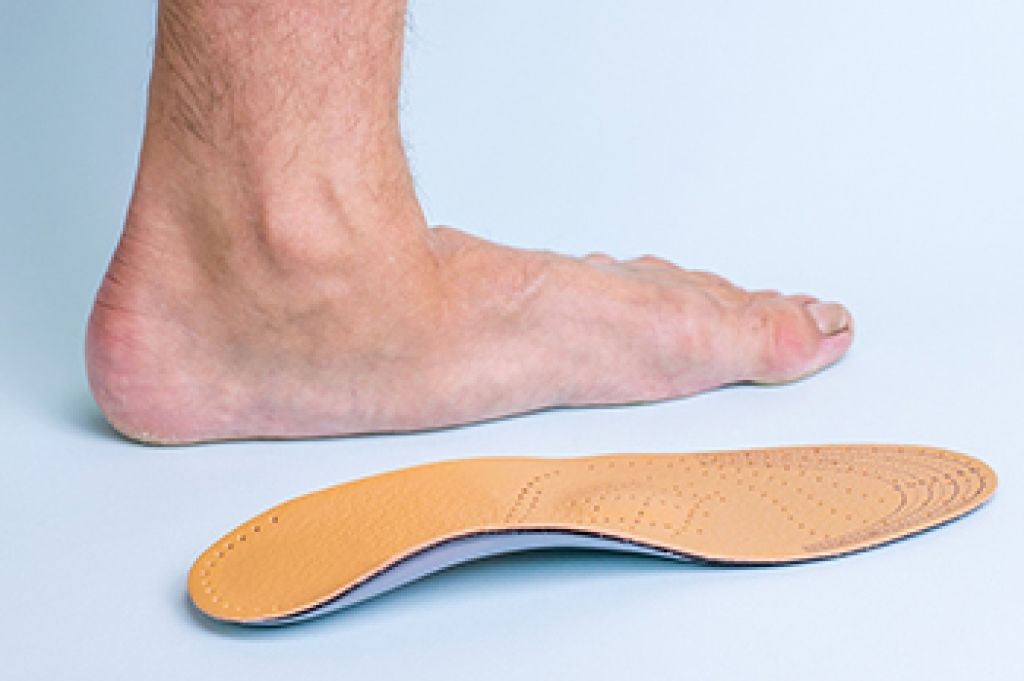
Flat feet, also called fallen arches, develop when the arch on the inside of the foot rests close to or against the ground while standing. Many people have flat feet without discomfort, but others experience pain in the feet, ankles, or lower legs. Some people also notice tired feet after activity or shoes that wear out unevenly. Flat feet can affect children and adults. Causes include family history, an injury, or changes in the supporting tissues of the foot. A chiropodist can examine your feet, identify the cause of your symptoms, and assess how your feet move while walking. Treatment includes custom orthotics to improve foot support, advice about choosing shoes that provide proper support, and professional care to reduce pain and improve comfort. Early assessment can also help lower stress on the feet and ankles while supporting better movement. If you have problems related to flat feet, it is suggested that you schedule an appointment with a chiropodist for a diagnosis and effective relief and management tips.
Flat feet are a common foot condition. If you are experiencing pain or discomfort due to flat feet, please consult with one of the chiropodists from The Footcare Centre. Our chiropodists will assess your condition and provide you with quality foot and ankle treatment.
What Are Flat Feet?
Flat feet are feet that do not have a well-defined arch in the middle of the sole of the foot. Flat feet may be flexible or rigid. Flexible flat feet have an arch when there is no pressure put on the foot, such as when one is sitting, but the arch disappears upon standing. Rigid flat feet lack an arch regardless of whether one is standing or not.
Causes
Flat feet can be present from birth or acquired over time due to a weakening of the ligaments in the arch. Sometimes flat feet are caused by illnesses, injuries, or pregnancy.
Symptoms
Flat feet often cause no noticeable symptoms. However, some people may experience pain and discomfort due to their flat feet.
Symptoms associated with flat feet include:
Treatment
In cases where flat feet cause symptoms, there are various treatments available. Wearing orthotic inserts in your shoes to provide more arch support, performing stretches, and taking medications may improve your symptoms. If you are overweight, losing weight can help relieve pressure on the feet. In severe cases, surgery may be considered.
If you have any questions please feel free to contact our office located in Niagara Falls, ON .
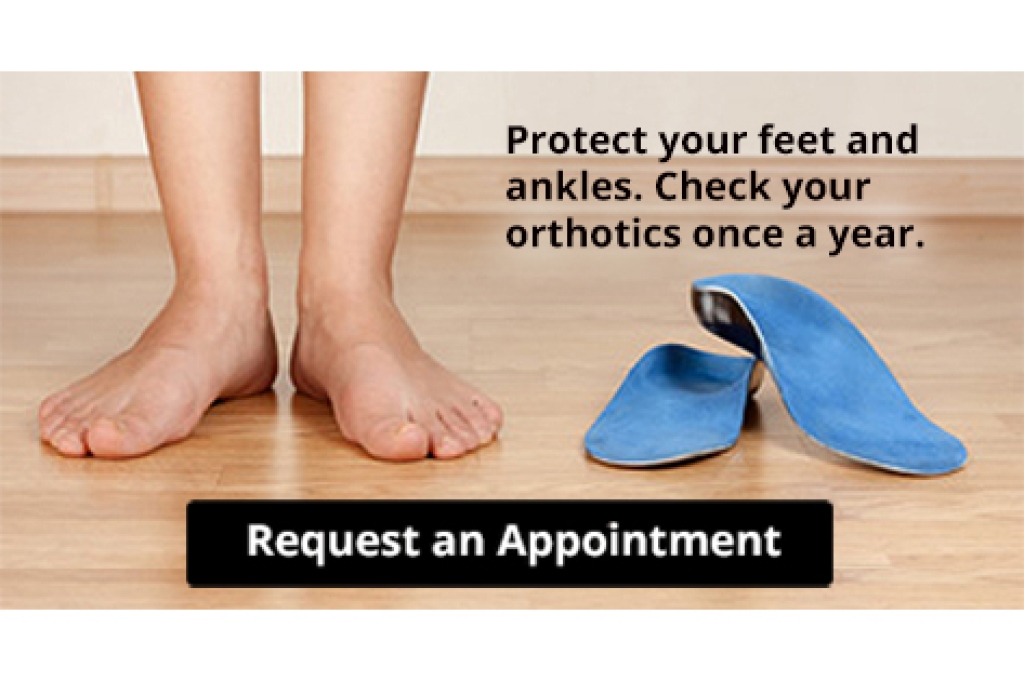
Custom orthotics, or shoe inserts, should be periodically replaced. Orthotics must fit properly to give you the best results. Protect your feet and ankles!
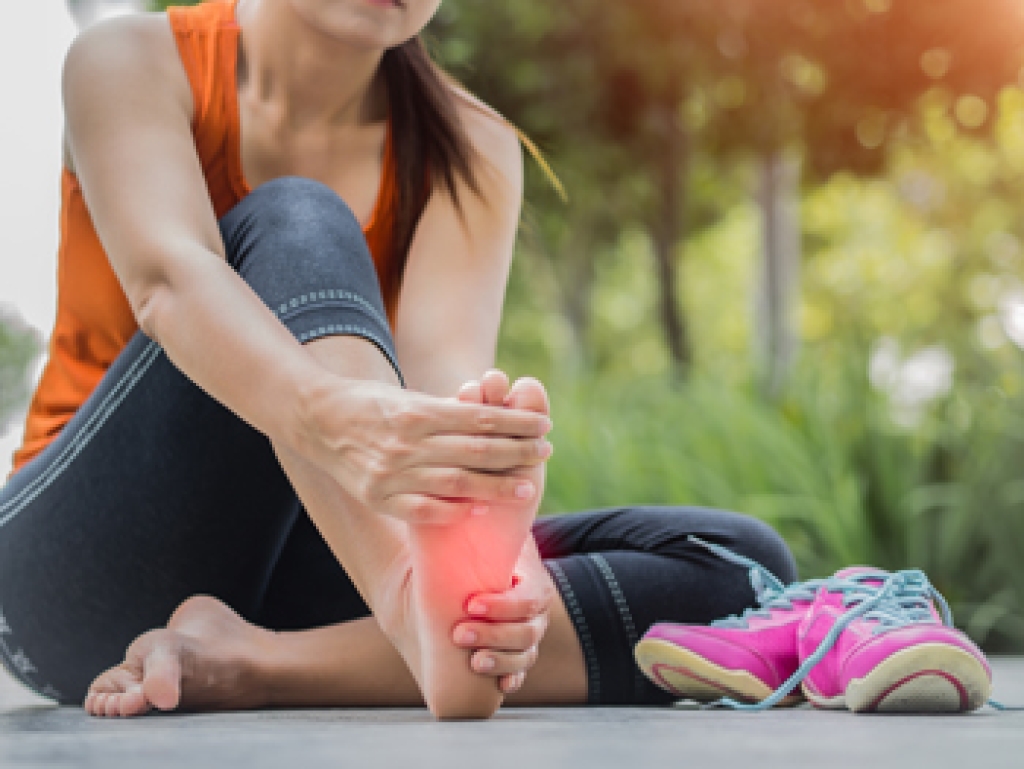
Running places repeated stress on the feet and ankles, making injury prevention an important part of this activity. Good preparation includes choosing shoes that provide proper support, increasing training gradually, and performing stretching and strengthening exercises that improve flexibility and stability. Ignoring early foot or ankle pain can lead to more serious problems that affect running performance. A chiropodist can assess your foot structure, walking and running patterns, and pressure points that increase the risk of injury. They can also identify problems like flat feet, high arches, or limited joint movement that place extra strain on muscles, tendons, and ligaments. Treatment includes custom orthotics and guidance on exercises that support healthy foot function and help reduce injury risk. If you have sustained a running injury that affects your feet or ankles, it is suggested that you schedule an appointment with a chiropodist for a diagnosis and appropriate treatment.
Although running is a wonderful exercise to keep you in shape, it can wreak havoc on your feet and ankles if you don’t take preventive measures. If you have sustained a foot and ankle injury from running, please consult with one of the chiropodists from The Footcare Centre. Our chiropodists can help you maintain the health of your lower limbs and your mobility.
Some common running injuries include:
What causes injuries?
These injuries are usually caused by overtraining, wearing the wrong shoes, running on hard surfaces, having tight and inflexible muscles, or having biomechanical issues in the feet or ankles.
What can I do to prevent injuries?
If you have any questions please feel free to contact our office located in Niagara Falls, ON .
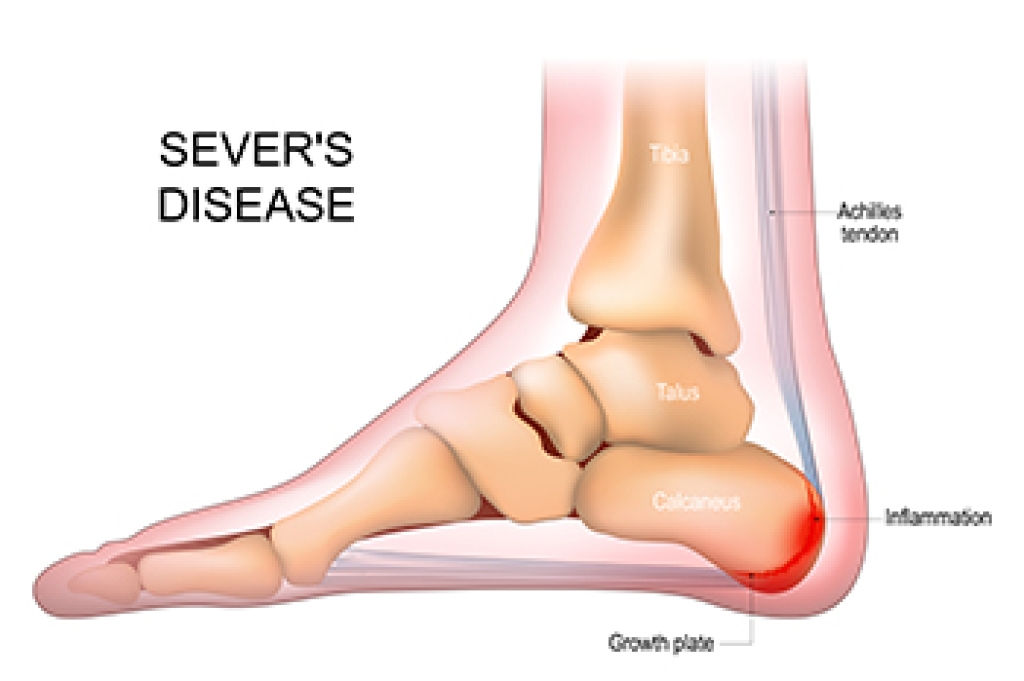
Sever’s disease is a common cause of heel pain in growing children and adolescents. It occurs when the growth plate in the heel becomes inflamed due to repeated stress. This condition is most often seen in physically active young children and teenagers who participate in running and jumping sports. The heel bone grows faster than the surrounding muscles and tendons, which can create tension and irritation. Symptoms of Sever’s disease include heel pain during activity, tenderness at the back of the heel, and mild swelling. Children may walk on their toes or limp to avoid discomfort. Pain often worsens after sports and improves with rest. Risk factors include participation in high-impact sports, rapid growth spurts, and tight calf muscles. Improper footwear and a lack of support can increase strain on the heel. Children with flat feet or high arches may also be more prone to this condition. Management includes rest, stretching exercises, and supportive footwear to reduce stress on the heel. Early care helps prevent ongoing discomfort and supports healthy growth. If your active child has heel pain, it is suggested that you consult a chiropodist who can accurately diagnose and provide effective relief tips for Sever’s disease.
Sever’s disease typically affects young children and teenagers. If your child complains of foot pain, please consult with one of the chiropodists from The Footcare Centre. Our chiropodists will assess your condition and provide you with quality foot and ankle treatment.
What Is Sever’s Disease?
Sever’s disease, also known as calcaneal apophysitis, is an inflammation of the growth plate in the heel bone. It is typically caused by overuse due to repetitive activities such as running, jumping, and playing certain sports. This condition most frequently affects children between the ages of 8 and 14.
Symptoms
Symptoms of Sever’s disease include:
Diagnosis
Sever’s disease is diagnosed by taking a thorough medical history and performing a physical examination. Imaging studies, such as an X-ray, can help rule out other injuries like a fracture.
Treatment
Sever’s disease typically heals without any long-term complications. Treatment involves resting the affected foot by reducing typical activities, wearing orthotics to support the foot, immobilizing the affected foot, taking medications to reduce pain and inflammation, and stretching the foot.
If you have any questions please feel free to contact our office located in Niagara Falls, ON .
Connect With Us
