
If you are suffering from tenderness, pain, or stiffness in the joints of your feet or ankles, call us to schedule an appointment.
If you are suffering from tenderness, pain, or stiffness in the joints of your feet or ankles, call us to schedule an appointment.

Plantar warts are small growths that develop on parts of the feet that bear weight. They're typically found on the bottom of the foot. Don't live with plantar warts, and call us today!

Toe arthritis can make each step painful by limiting movement in the joints. Symptoms include stiffness, swelling, and soreness. Although walking can feel uncomfortable, it can actually help to keep the joints moving while supporting mobility. Walking also can reduce stiffness and help build and maintain foot strength. A chiropodist can examine the toes, assess walking patterns, and identify joint changes. Treatment options include custom orthotics that redistribute pressure and limit painful movement. They can also recommend well-fitting shoes with firm soles, a roomy toe box, and proper support. Certain shoe designs help the foot roll forward smoothly when walking. This reduces strain on the arthritic toe. Padding can protect tender areas and reduce rubbing inside the shoe. A chiropodist can suggest a walking routine based on the symptoms. If you have arthritis that is affecting your toes, it is suggested that you make an appointment with a chiropodist for diagnosis and treatment.
Osteoarthritis in the feet or ankles can be a painful and disabling condition that may interfere with your daily activities. If you have arthritis, please consult with one of the chiropodists from The Footcare Centre. Our chiropodists will assess your condition and provide you with quality foot and ankle treatment.
What Is Osteoarthritis?
Osteoarthritis is a condition in which the protective layer of cartilage in the joints breaks down over time. This loss of cartilage causes the bones to rub together during movement, leading to pain and inflammation. Osteoarthritis is associated with aging, and often affects the small joints of the feet and ankles.
Symptoms
Symptoms of osteoarthritis include:
Diagnosis
Osteoarthritis can be diagnosed through physical examination. You may also need to have an X-ray taken to assess the extent of the damage caused by arthritis.
Treatment
Treatment for osteoarthritis focuses on reducing symptoms and improving the function of the affected joints. Conservative treatments include oral pain medications, orthotic devices, bracing or immobilizing the affected foot or ankle, steroid injections into the affected joint to reduce inflammation, and physical therapy. In more severe cases, surgery may be necessary.
If you have any questions please feel free to contact our office located in Niagara Falls, ON .
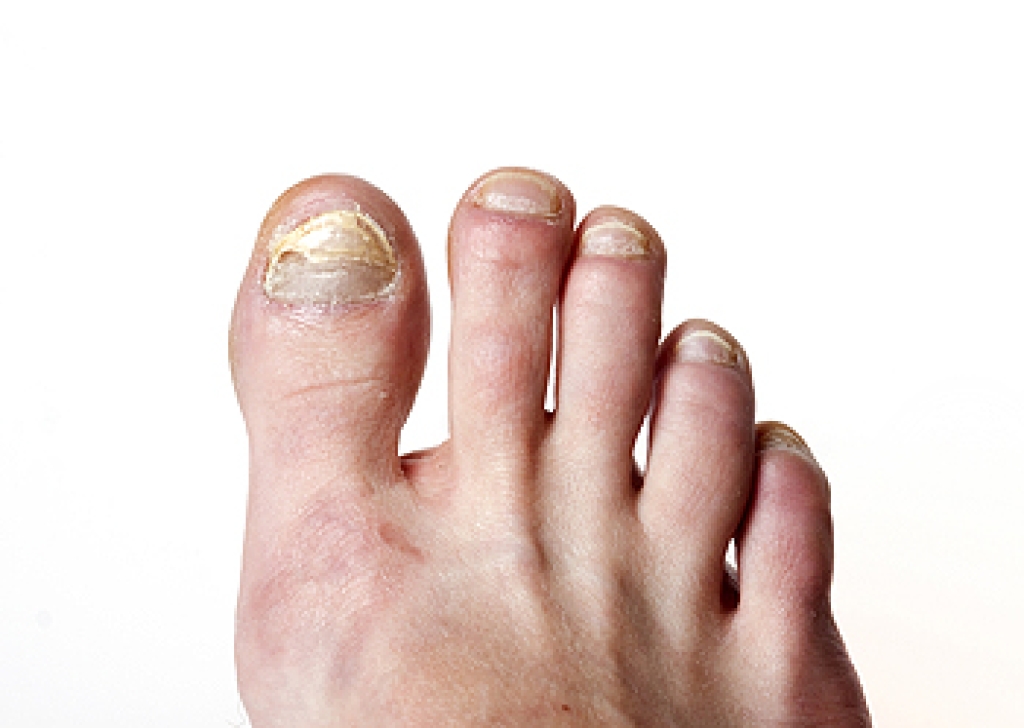
Fungal toenails develop when fungus grows beneath the nail and spreads into the nail bed. Toenails are affected more often than fingernails because they spend more time in warm, moist shoes that do not allow enough airflow. Risk increases with age, diabetes, and poor circulation. Walking barefoot in public pools, showers, and changing rooms also increases exposure to fungus. Symptoms include white, yellow, or brown discoloration, thickened nails, and brittle or crumbling edges. In some cases, the toenail separates from the nail bed and causes pain when walking. The infection can begin after a damaged nail is exposed to the fungus. A chiropodist can assess the affected nails, arrange laboratory testing to confirm the diagnosis, and provide professional care to improve comfort and nail appearance. Regular monitoring also helps track healthy nail growth and response to treatment. If you have symptoms of toenail fungus, it is suggested that you schedule an appointment with a chiropodist for diagnosis and appropriate treatment.
Toenail fungus can be uncomfortable and unsightly. If you have diabetes or a compromised immune system, it may also be dangerous. To learn more about treatment options, please consult with one of the chiropodists from The Footcare Centre. Our chiropodists will assess your condition and provide you with quality foot and ankle treatment.
What Does Toenail Fungus Look Like?
A fungal infection of the toenail may cause the affected nail to become thickened, brittle, crumbly, and yellowish or brown in color. Sometimes the toenail may separate from the nail bed, become deformed, emit a foul odor, or cause pain or discomfort.
What Causes Toenail Fungus?
Toenail fungus is caused by a fungus that infects the nail bed. The fungus lives and thrives in warm and moist environments and is also contagious. Athlete’s foot, which is a fungal infection of the skin, may spread to the nails and cause toenail fungus.
What Treatments Are Available?
Potential treatments for toenail fungus may include oral antifungal medications, topical antifungal medications, such as medicated nail polishes that are applied directly to the affected nail, and laser therapy. Sometimes, a combination of treatments is prescribed.
If you have any questions please feel free to contact our office located in Niagara Falls, ON .
Connect With Us
