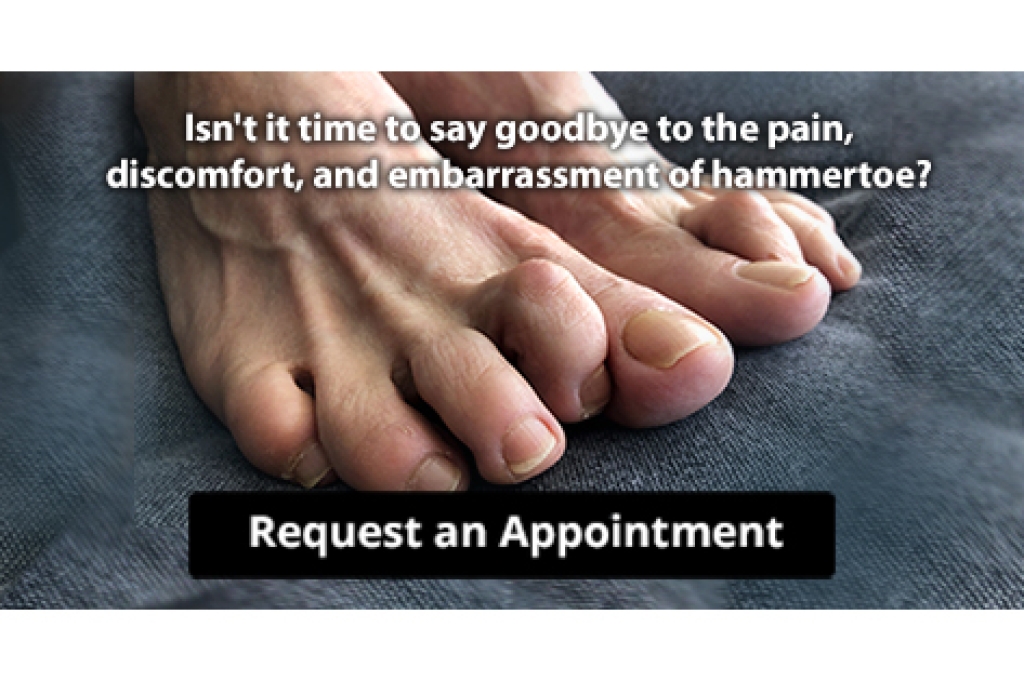
Painful deformities, such as hammertoes, can be treated. Stop living with foot pain, and have beautiful feet again!
Painful deformities, such as hammertoes, can be treated. Stop living with foot pain, and have beautiful feet again!
An ingrown toenail is a condition where the edge of the toenail grows into the surrounding skin, leading to pain and potential infection. This commonly affects the big toe and can worsen if not properly managed. Causes include improper nail trimming, wearing tight shoes that put pressure on the toes, genetic factors, or injury to the toenail. Repeated stress from activities such as running or kicking can also contribute to the problem. Symptoms often include redness, swelling, tenderness, and discomfort along the nail border. If an infection develops, there may be pus, increased pain, and warmth in the affected area. Ingrown toenails can be painful and may become serious if infected. If you have developed this condition, it is suggested that you promptly consult a chiropodist who can effectively treat this condition.
Ingrown toenails may require medical attention. If you have significant pain or notice signs of infection from an ingrown toenail, please consult with one of the chiropodists from The Footcare Centre. Our chiropodists will assess your condition and provide you with quality foot and ankle treatment.
What Is an Ingrown Toenail?
An ingrown toenail occurs when the edges of a toenail grow into the surrounding skin. The toenails of the big toe are usually affected, however, an ingrown toenail can happen on any toe. Sometimes, the area can become infected leading to potentially serious complications. The ingrown toenail may be caused by improper trimming of the toenail, wearing ill-fitting shoes, or injury to the nail.
Symptoms
The symptoms of an ingrown toenail include:
Treatment
Treatment depends on the severity of the ingrown toenail. In less severe cases, home treatment may be adequate. Soaking the affected foot in warm water and gently lifting the nail from the skin with a piece of clean cotton can help. In more severe cases, you may need to use topical or oral antibiotics to treat an infection. Surgical removal of the ingrown toenail may be required if more conservative treatments fail.
Ingrown toenails may be prevented by wearing well-fitted shoes and properly trimming the toenails. Toenails should be trimmed straight across and not too short when using nail clippers.
If you have any questions please feel free to contact our office located in Niagara Falls, ON .

Wearing high heels may enhance a woman’s appearance, but prolonged use can negatively impact her foot health. High heels shift the body's weight forward, increasing pressure on the forefoot and altering posture. This unnatural positioning forces the lower body forward and the upper body backward, leading to muscle strain and discomfort. The higher the heel, the greater the stress placed on the bones, tendons, and joints. Gait is also affected, as the foot is prevented from rolling naturally from heel to toe, causing additional strain on the knees, hips, and lower back. Over time, these changes can contribute to foot deformities like bunions, hammertoes, and neuromas, as well as conditions like Achilles tendonitis and osteoarthritis. High heels also reduce stability, increasing the chances of a sprained ankle or fall. A chiropodist can assess your foot structure, provide guidance on supportive footwear, and recommend treatments for pain or deformities caused by high heels. If you have foot pain from wearing high heels, it is suggested that you schedule an appointment with a chiropodist.
High heels have been in style for centuries, but unfortunately, they have also been damaging feet for centuries. If you would like to learn more about how high heels can hurt your feet, please consult with one of the chiropodists from The Footcare Centre. Our chiropodists can help you maintain the health of your lower limbs and your mobility.
High heels can cause a variety of problems, including:
If you are reluctant to abandon your high heels, you can still wear them, but should take measures to minimize damage to your feet:
If you have any questions please feel free to contact our office located in Niagara Falls, ON .
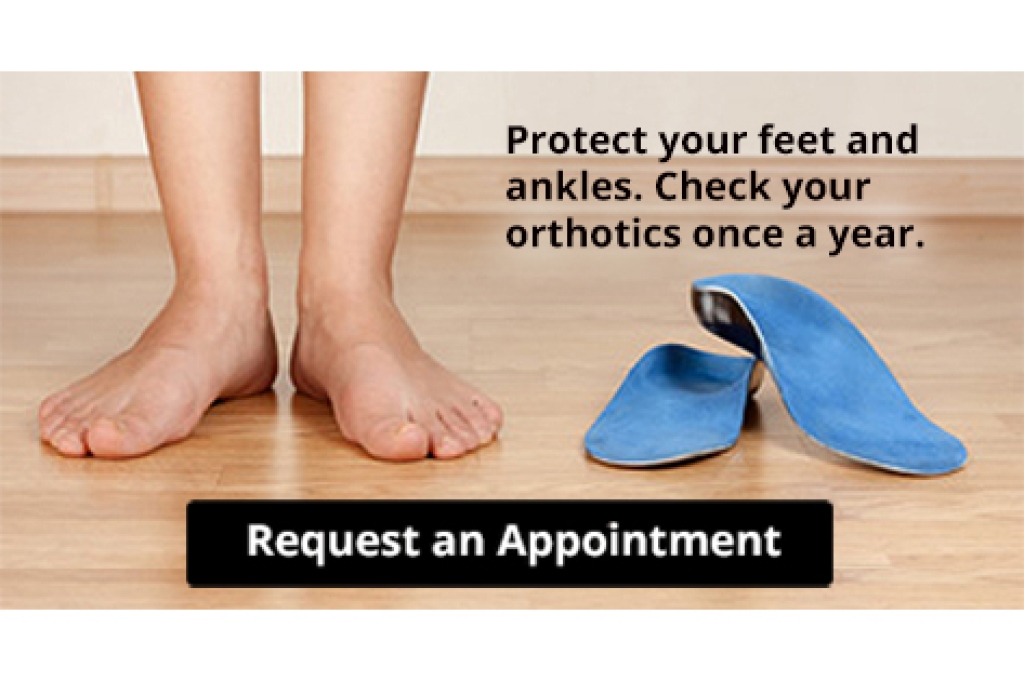
Custom orthotics, or shoe inserts, should be periodically replaced. Orthotics must fit properly to give you the best results. Protect your feet and ankles!

Arthritis in the feet can start subtly, but early recognition is key to managing symptoms and preventing further joint damage. One of the first signs is persistent stiffness, especially in the morning or after periods of inactivity. Swelling around the joints, particularly in the toes, ankles, or the ball of the foot may occur. Pain that worsens with activity and improves with rest is another common early symptom. Some people experience tenderness when pressing on affected areas or difficulty walking due to joint discomfort. Over time, the range of motion may decrease, making it harder to bend or flex the foot. You might also develop a grinding sensation or hear clicking sounds when moving your foot. If you notice these signs, it is suggested that you see a chiropodist for an evaluation and personalized treatment plan.
Osteoarthritis in the feet or ankles can be a painful and disabling condition that may interfere with your daily activities. If you have arthritis, please consult with one of the chiropodists from The Footcare Centre. Our chiropodists will assess your condition and provide you with quality foot and ankle treatment.
What Is Osteoarthritis?
Osteoarthritis is a condition in which the protective layer of cartilage in the joints breaks down over time. This loss of cartilage causes the bones to rub together during movement, leading to pain and inflammation. Osteoarthritis is associated with aging, and often affects the small joints of the feet and ankles.
Symptoms
Symptoms of osteoarthritis include:
Diagnosis
Osteoarthritis can be diagnosed through physical examination. You may also need to have an X-ray taken to assess the extent of the damage caused by arthritis.
Treatment
Treatment for osteoarthritis focuses on reducing symptoms and improving the function of the affected joints. Conservative treatments include oral pain medications, orthotic devices, bracing or immobilizing the affected foot or ankle, steroid injections into the affected joint to reduce inflammation, and physical therapy. In more severe cases, surgery may be necessary.
If you have any questions please feel free to contact our office located in Niagara Falls, ON .
Connect With Us
