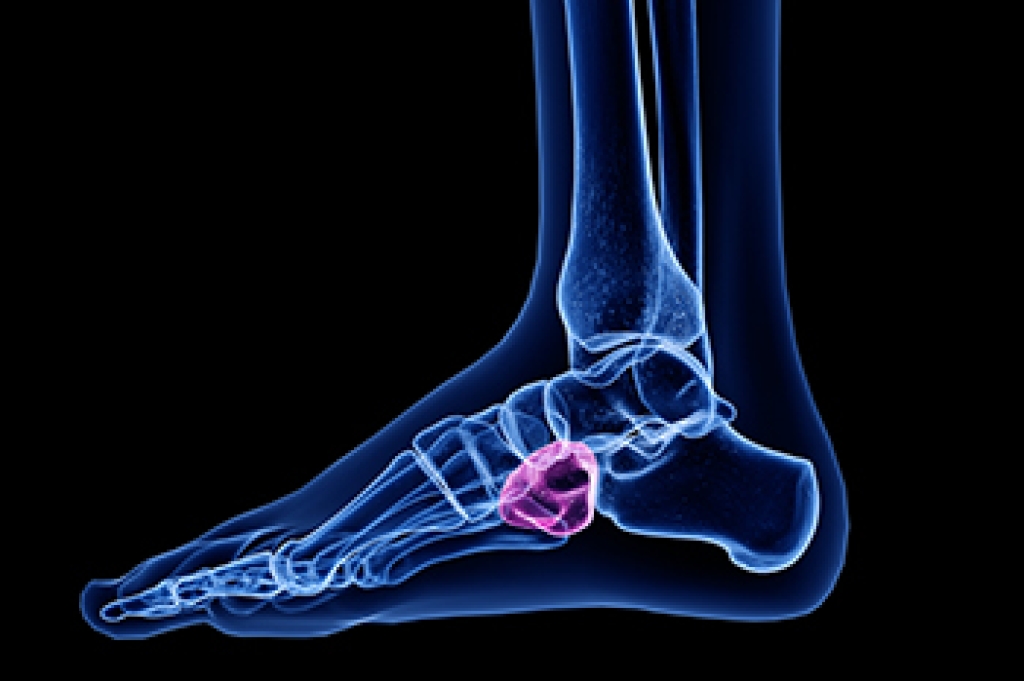
The foot condition known as cuboid syndrome generally affects the outer part of the foot. The gradual onset of this ailment can make it difficult to diagnose, despite its simplicity to treat. Cuboid syndrome occurs as a result of an injury that affects the ligaments surrounding the cuboid bone. It is common among athletes and ballet dancers and can be caused by an ankle sprain. Symptoms associated with cuboid syndrome include the inability to move the side of the foot, the toes becoming weaker, and the affected area getting red. Patients can find relief by elevating the foot and stopping the activity that caused the injury. Many patients experience added support from wearing an elastic compress and doing specific stretches. Among them are gently pushing the toes toward the bottom of the foot and putting pressure on the cuboid bone, which is located in the middle of the arch. Recovery can take approximately six to eight weeks and maybe sooner if it is a mild injury. If you have pain in this part of your foot, please schedule an appointment with a chiropodist who can guide you toward the correct treatment techniques.
Cuboid syndrome, also known as cuboid subluxation, occurs when the joint and ligaments surrounding the cuboid bone in the foot become injured. If you think that you may have cuboid syndrome, please consult with one of the chiropodists from The Footcare Centre. Our chiropodists will assess your condition and provide you with quality foot and ankle treatment.
Causes
The cuboid bone is one of the seven tarsal bones located in the foot. Cuboid syndrome develops when the cuboid bone moves down and out of alignment with the other bone (calcaneus bone) in the joint of the foot. Cuboid syndrome can be the result of a sudden injury like an ankle sprain, or it may develop slowly over time from repetitive tension through the bone and surrounding structures.
Symptoms
The most common symptom of cuboid syndrome is pain on the outside of the foot which may worsen with activity.
Other possible symptoms include:
- Difficulty bearing weight on the affected foot
- Swelling
- Sensitivity on the bottom of the foot
- Reduced range of motion
Diagnosis
A chiropodist can diagnose cuboid syndrome based on your medical history and a physical examination of the foot. Imaging studies, such as X-rays or MRIs, often fail to show the dislocated cuboid.
Treatment
Treatment often includes resting, icing, compressing and elevating the affected foot, taping, wearing orthotic inserts, and taking anti-inflammatory medications to reduce pain. The chiropodist may also be able to manipulate the dislocated bone back into alignment.
If you have any questions please feel free to contact our office located in Niagara Falls, ON .
