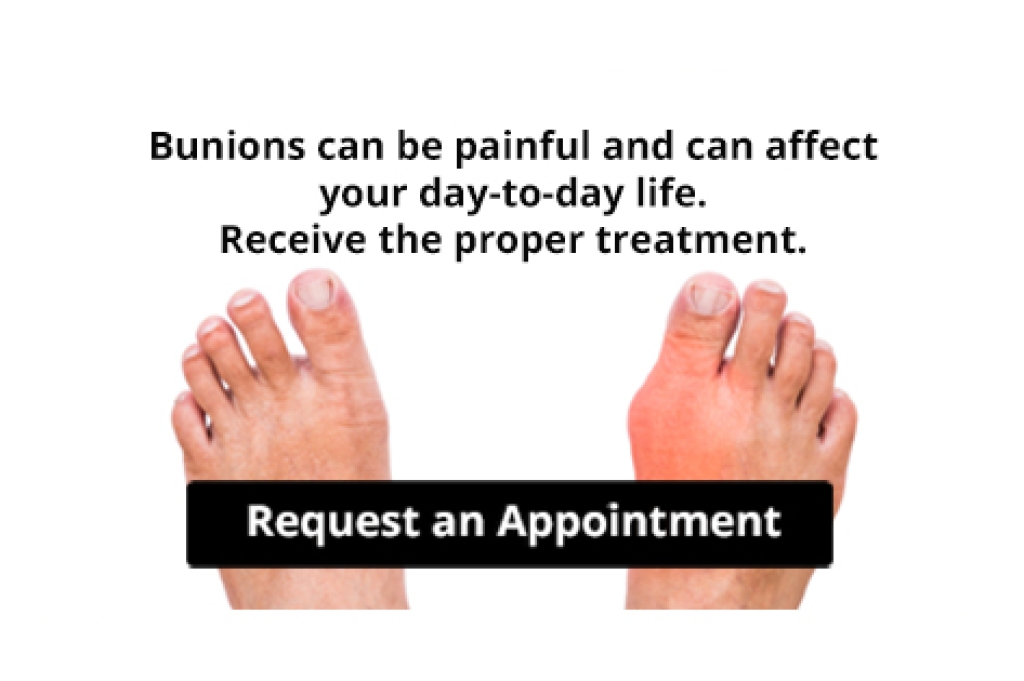
Have you noticed a bony protrusion on the side of your big toe? If so, you may have developed the foot condition known as a bunion. Don't let bunions interfere with your daily activities.
Have you noticed a bony protrusion on the side of your big toe? If so, you may have developed the foot condition known as a bunion. Don't let bunions interfere with your daily activities.
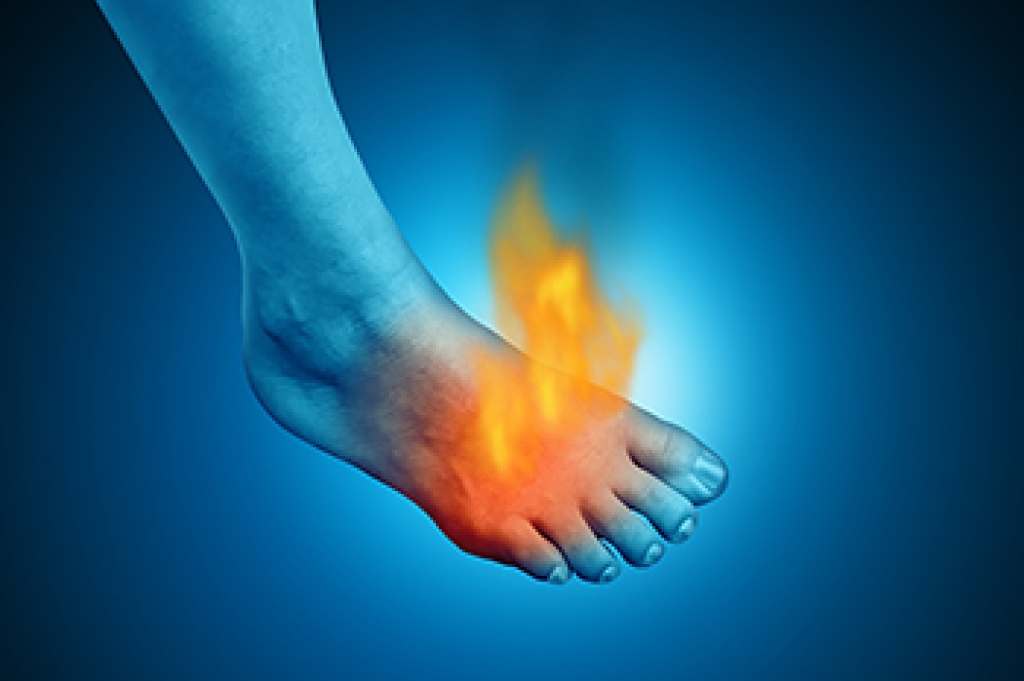
A burning feeling in the feet can be more than just uncomfortable. It may be a sign of an underlying issue. This sensation often starts in the soles or toes, and may come with tingling, numbness or sharp pain. One common cause is a type of nerve damage, known as peripheral neuropathy, which is often linked to diabetes. Other possible causes include vitamin deficiencies, alcohol use, poor circulation, or wearing tight shoes. The feeling may worsen at night or after long periods of standing. Treating the cause is key to finding relief. Depending on the reason, treatment may involve lifestyle changes, medication, or better foot support. If your feet often feel hot, numb or painful without clear cause, it is suggested you see a chiropodist for diagnosis and appropriate treatment.
Foot pain is a common problem treated by chiropodists. If you have foot pain, please consult with one of the chiropodists from The Footcare Centre. Our chiropodists can help you maintain the health of your lower limbs and your mobility.
When you are experiencing foot pain, it’s important to note the type of pain and its location, as this can help determine a diagnosis.
Pain in the top of the foot may be caused by:
Pain in the bottom of the foot may be caused by:
Pain on the side of the foot may be caused by:
Heel pain may be caused by:
Pain in the toes may be caused by:
These and many more conditions can be treated by a chiropodist. If you have any questions please feel free to contact our office located in Niagara Falls, ON .

Flat feet, also known as fallen arches, occur when the arches of the feet collapse, causing the soles to make complete contact with the ground. This condition can develop from birth, overuse, injury, or the gradual weakening of tendons that support the arch. Symptoms often include foot pain, swelling along the inside of the ankle, and discomfort that worsens with standing or walking. In some cases, flat feet may also lead to pain in the knees, hips, or lower back due to altered alignment. Certain factors increase the risk of developing flat feet, such as obesity, aging, diabetes, and a family history of the condition. If you have flat feet, it is suggested that you are under the care of a chiropodist who can help you to monitor this foot condition.
Flat feet are a common foot condition. If you are experiencing pain or discomfort due to flat feet, please consult with one of the chiropodists from The Footcare Centre. Our chiropodists will assess your condition and provide you with quality foot and ankle treatment.
What Are Flat Feet?
Flat feet are feet that do not have a well-defined arch in the middle of the sole of the foot. Flat feet may be flexible or rigid. Flexible flat feet have an arch when there is no pressure put on the foot, such as when one is sitting, but the arch disappears upon standing. Rigid flat feet lack an arch regardless of whether one is standing or not.
Causes
Flat feet can be present from birth or acquired over time due to a weakening of the ligaments in the arch. Sometimes flat feet are caused by illnesses, injuries, or pregnancy.
Symptoms
Flat feet often cause no noticeable symptoms. However, some people may experience pain and discomfort due to their flat feet.
Symptoms associated with flat feet include:
Treatment
In cases where flat feet cause symptoms, there are various treatments available. Wearing orthotic inserts in your shoes to provide more arch support, performing stretches, and taking medications may improve your symptoms. If you are overweight, losing weight can help relieve pressure on the feet. In severe cases, surgery may be considered.
If you have any questions please feel free to contact our office located in Niagara Falls, ON .
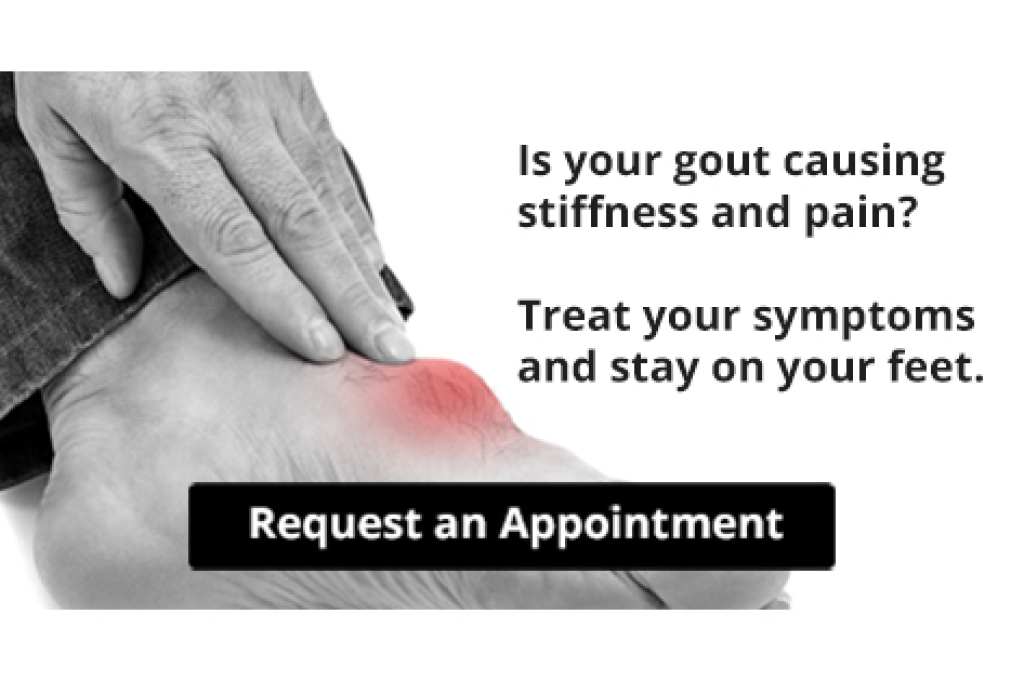
Gout is a painful, inflammatory form of arthritis. Those affected will typically feel an intense stiffness in the joints of their feet, particularly in the big toe. Schedule a visit to learn about how gout can be managed and treated.
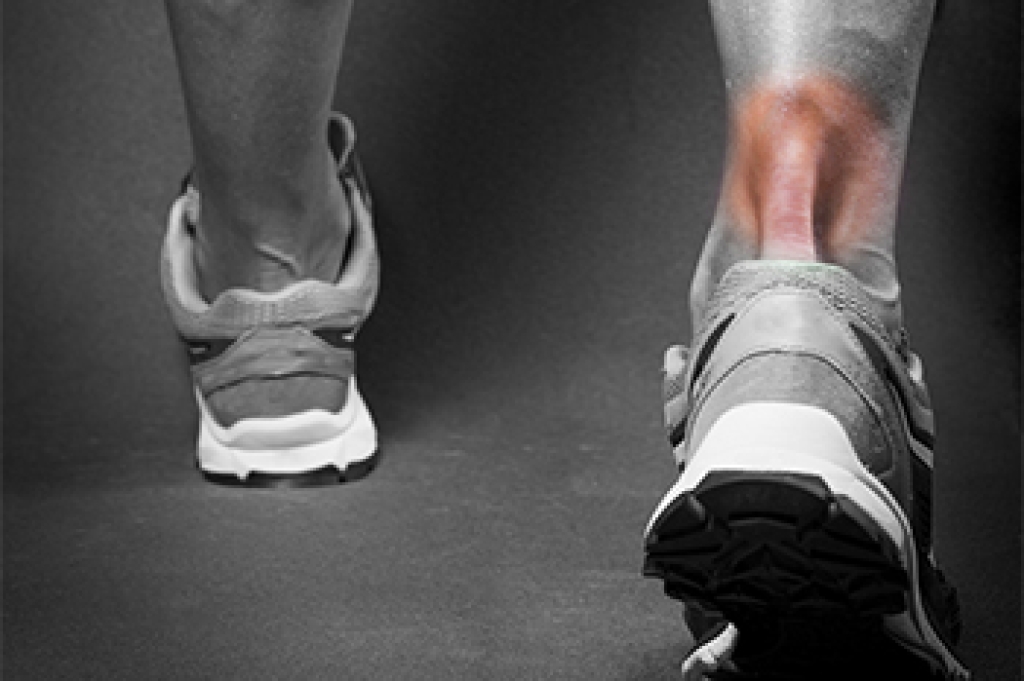
An Achilles tendon injury occurs when the tendon that connects the calf muscles to the heel becomes strained, inflamed, or torn. The Achilles tendon is a strong, fibrous band that plays a vital role in walking, running, and jumping. Injuries range from mild tendonitis, which causes pain and stiffness, to partial or complete tears that can severely limit movement. Symptoms include swelling, tenderness, sharp pain near the heel, and difficulty pushing off the foot. In some cases, minor injuries can heal without surgery through rest and strengthening exercises. The tendon gradually repairs itself by forming new collagen fibers. Proper footwear, controlled stretching, and avoiding excessive strain can support healing. Severe ruptures may require medical intervention, but early treatment improves the chances of a full recovery. If you have sustained an Achilles tendon injury, it is suggested that you promptly contact a chiropodist who can offer appropriate treatment solutions.
Achilles tendonitis is a common injury of the Achilles tendon, a band of fibrous tissue that runs along the back of the lower leg. The Achilles tendon can also rupture, making it impossible to lift the foot. If you are suffering from heel or calf pain, please consult with one of the chiropodists from The Footcare Centre. Our chiropodists can help you maintain the health of your lower limbs and your mobility.
Causes of Achilles tendon injuries include:
Symptoms of an Achilles tendon injury include:
Treatment
Achilles tendon injuries can be very painful and lead to reduced mobility if left untreated. If you have any questions please feel free to contact our office located in Niagara Falls, ON .
Connect With Us
